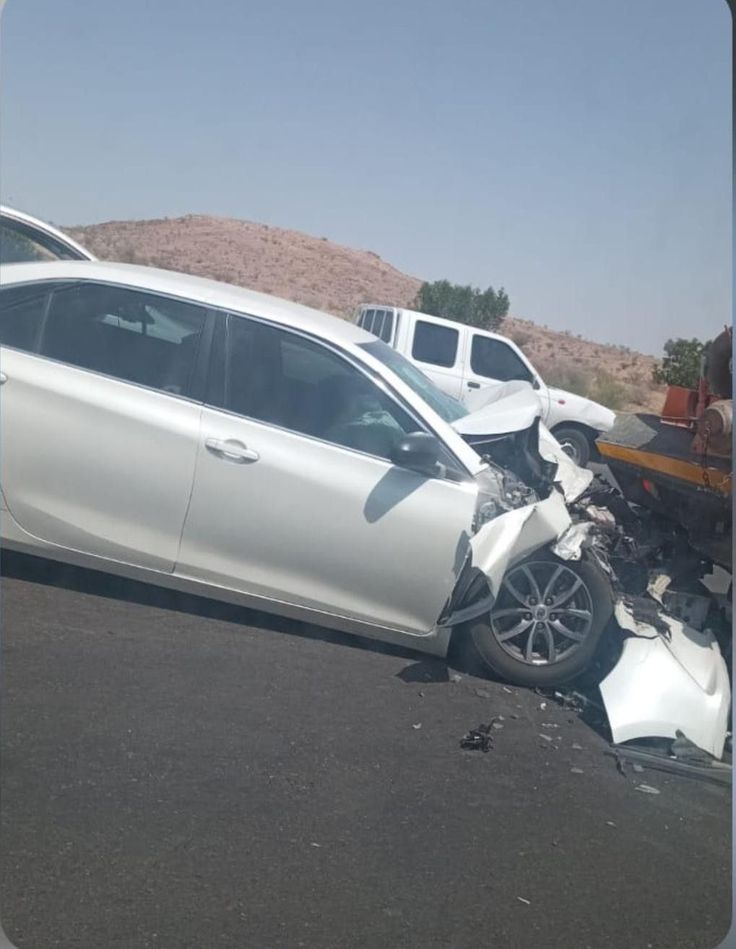
One moment you're driving normally, and the next — impact. Glass breaks, metal bends, and before you can process what happened, the other vehicle is speeding away. You're injured, your car is damaged, and the person responsible has vanished.
Hit and run accidents are among the most infuriating and legally complex situations any driver can face. According to the AAA Foundation for Traffic Safety, over 737,000 hit and run crashes occur annually in the United States, resulting in approximately 2,000 deaths and 200,000 injuries each year. The hit and run rate has been increasing steadily, with drivers now fleeing the scene in approximately 11% of all reported crashes.
The good news is that hit and run victims are not without options. Even when the at-fault driver is never found, multiple avenues for compensation exist. And increasingly, technology is helping police identify and apprehend hit and run drivers faster than ever before.
What to Do Immediately After a Hit and Run
Step 1: Do NOT Chase the Fleeing Driver
Your instinct will be to follow them. Resist it. Pursuing a fleeing vehicle puts you and others at risk and can compromise your claim if you're involved in a secondary accident.
Step 2: Note Everything You Can About the Vehicle
In the seconds after the other vehicle flees, try to remember and immediately record:
- License plate (even a partial plate is valuable)
- Make, model, and color of the vehicle
- Direction the vehicle fled
- Damage visible on the fleeing vehicle
- Number of occupants
- Any distinguishing features (bumper stickers, body damage, custom modifications)
Step 3: Call 911 Immediately
Filing a police report is critical for both criminal prosecution and your insurance claim. Tell the dispatcher:
- Your location
- That you've been in a hit and run
- Any injuries
- The description of the fleeing vehicle
- The direction it traveled
Step 4: Document the Scene
- Photograph your vehicle damage from multiple angles
- Photograph the accident scene, including road conditions, debris, skid marks
- Photograph your injuries
- Note the exact time, date, and location
- Look for surveillance cameras on nearby businesses
Step 5: Talk to Witnesses
Witnesses may have seen details you missed — a full license plate, the driver's face, the exact sequence of events. Get their names and contact information before they leave.
Step 6: Seek Medical Treatment
Even if your injuries seem minor, see a doctor within 24 hours. Adrenaline masks pain, and some injuries don't manifest immediately.
Who Pays for a Hit and Run Accident?
If the Driver Is Found
If police identify the hit and run driver, you can file a claim against their auto insurance — just like any other car accident. Additionally, the driver faces criminal charges for leaving the scene, which strengthens your civil claim.
If the Driver Is Never Found
This is where most hit and run victims feel stuck, but you still have options:
Uninsured Motorist Coverage (UM/UIM) Your own auto insurance policy likely includes UM/UIM coverage, which pays for injuries caused by uninsured or unidentified drivers. This is your primary source of compensation in hit and run cases.
- Coverage limits vary by policy (typically $25,000 - $500,000)
- Available in all 50 states
- Some states require it; others make it optional
- Covers medical expenses, lost wages, and pain and suffering
Medical Payments Coverage (MedPay) If you carry MedPay on your auto policy, it covers your medical expenses regardless of fault and regardless of whether the other driver is identified.
Personal Injury Protection (PIP) In no-fault states, your PIP coverage pays for medical expenses and a portion of lost wages, regardless of who caused the accident.
Health Insurance Your regular health insurance covers accident-related medical treatment, though you may have deductibles and copays.
Collision Coverage For vehicle damage, your collision coverage will pay for repairs or replacement, minus your deductible.
How Police Find Hit and Run Drivers in 2026
Technology has dramatically improved hit and run identification rates:
- Surveillance cameras — Business and traffic cameras capture license plates and vehicle descriptions
- License plate readers (ALPR) — Automated systems scan plates and can track vehicle movements
- Social media and community tips — Police often post descriptions on social media, generating leads
- Paint transfer analysis — Paint left on your vehicle can identify the make and model of the fleeing car
- Cell phone data — Geolocation data can place suspects near the scene
- Doorbell cameras — Ring and similar devices in residential areas capture passing vehicles
State Laws: Hit and Run Penalties
Hit and run is a criminal offense in every state. Penalties vary based on whether injuries or death occurred:
Property Damage Only (Misdemeanor)
- Fines: $500 - $5,000
- Possible jail time: Up to 1 year
- License suspension
- Points on driving record
Hit and Run with Injuries (Felony in Most States)
- Fines: $5,000 - $20,000
- Prison: 1 - 15 years
- License revocation
- Restitution to victims
Hit and Run Causing Death (Felony)
- Fines: $10,000 - $50,000+
- Prison: 5 - 25 years (or more)
- Permanent license revocation
- Criminal record
The Bottom Line
Hit and run accidents add insult to injury — literally. Being harmed by someone who then abandons you at the scene is both physically and emotionally devastating. But victims are not as helpless as they feel in those first moments of shock and anger.
Your own insurance policies, particularly uninsured motorist coverage, provide a financial safety net. Police technology is increasingly effective at identifying fleeing drivers. And the criminal penalties for hit and run create strong incentives for drivers to be found and held accountable.
If you've been the victim of a hit and run, the most important thing you can do right now is document everything, file a police report, and explore all available insurance coverage. The driver who hit you may have fled the scene, but your right to compensation hasn't gone anywhere.
Have Questions About This Topic?
Our editorial team is here to help. Reach out with any questions or feedback about this article.